
journal
Why Small Plates Are Redefining Modern Dining in the UK
Modern dining can be measured in choice, pace and attention. Small plates create an experience built around all three.
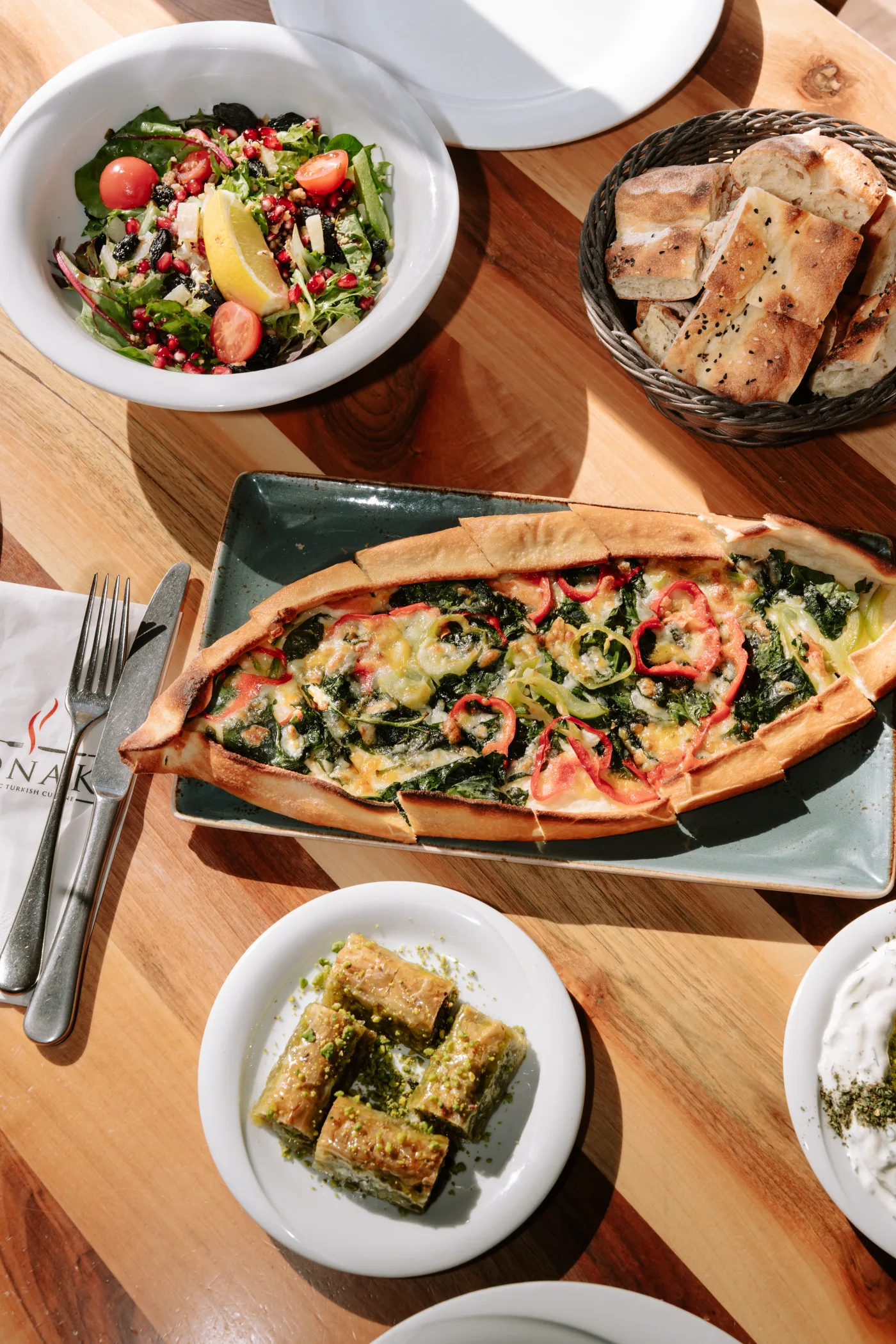
For many guests, a memorable dining experience is no longer defined by formality or the size of a plate. It is found in the freedom to explore, the time to talk and the confidence that every detail has been considered. Small plates suit that change because they put choice and shared experience at the centre of the meal.
A table can begin lightly, move between cool and warm dishes and build towards richer flavours without forcing every guest into the same fixed sequence. People can discover something unfamiliar beside something comforting. They can order another plate when the table is ready, rather than when a rigid format says it is time.
This freedom only works when the kitchen is disciplined. Small plates demand consistency, careful timing and a clear understanding of how flavours sit beside one another. Presentation matters, but so do temperature, texture and the order in which dishes reach the table.
Shared plates also change the role of hospitality. Service becomes less about delivering separate meals and more about reading the table: explaining dishes when useful, keeping the pace natural and allowing guests to shape their own experience. That sense of attention is where a more modern idea of dining begins.
For an Anatolian restaurant, the format is not a passing invention. Meze already carries the values that many contemporary diners now seek: generosity, variety, conversation and a meal that unfolds gradually. The opportunity is to present those values with clarity and care, without losing their warmth.
At its best, a small-plate meal feels personal even when it is shared. It gives the table more ways to discover the kitchen and more reasons to stay in the conversation.


